The answer
A 2027 go-to-market (GTM) plan rests on assumptions, and some will be wrong. Charlie Latch says artificial intelligence (AI) can test those assumptions before you fund the plan and find failing ones during the year. The gain is real only when leaders change decisions as fast as the evidence changes. He gives five questions to ask before approval.

There’s something comforting about the annual GTM planning ritual. At least for me.
Sales needs more reps. Marketing needs more leads. Someone wants another platform. And this year, just about everyone has another AI initiative that promises to revolutionize the whole thing. Put it all together, add a few optimistic conversion assumptions, and congratulations. You’ve got a growth plan.
Or do you?
I’ve participated in planning exercises involving talented teams, sophisticated models, and months of serious work. Many produced excellent plans. I have tremendous respect for the focus, detail, and discipline that goes into them.
2027 introduces an interesting wrinkle. AI is giving us new ways to build GTM plans, challenge the thinking behind them, and execute faster. The opportunity isn’t simply to produce a better plan in less time. It’s to rethink how we make decisions as that plan meets the real world.
When the Numbers Add Up, but the Assumptions Don’t
Having worked in technology and consulting companies of all sizes, I’ve seen some extraordinary financial models. Building them is practically an art form.
Today, AI can help check the formulas, explore more scenarios, polish the charts, and make the whole presentation look beautiful. Everything adds up, at least according to the spreadsheet. The harder question is whether the assumptions behind those numbers make sense.
This takes me back to a strategic planning class at the Stanford Graduate School of Business. We spent more time than I appreciated at the time on a deceptively simple topic: assumptions.
Every plan depends on them. They’re educated guesses informed by experience, research, and whatever evidence we have available. Nothing wrong with that. There would be no planning without them.
Somewhere between the strategy session and the board presentation, however, I learned that educated guesses have a remarkable tendency to become established facts. That’s the part worth watching.
Some assumptions will inevitably be wrong. That’s not a planning failure. You don’t need to predict everything correctly to build a successful GTM plan. You need enough of the important assumptions to hold, and the ability to recognize when others don’t.
Think about how easily a few reasonable expectations become next year’s revenue commitments. More leads will create more qualified pipeline. Sellers will ramp on schedule. Conversion rates will hold as volume increases. AI investments will produce measurable productivity gains.
All plausible. None guaranteed. Sometimes the evidence challenging those assumptions is already sitting in the business.
What the Business Is Already Telling Us
In a recent GTM diagnostic, we found hundreds of leads that Sales had never accepted, alongside opportunities that hadn’t been touched or scheduled for reengagement in more than 30 days. The initial reaction was to dismiss it as a CRM hygiene issue. Maybe. But the company was also considering additional investment in demand generation. Before spending more to grow the pipeline, wouldn’t you want to understand why so much of what was already there wasn’t moving?
Adding more resources to an inefficient GTM system is like adding more weight to an exercise you’re performing with bad form. You might lift more, but you’re not necessarily getting stronger.
The diagnostic didn’t prove the demand-generation strategy was wrong. It gave us a reason to question whether more investment was the right next move. That’s an important distinction.
The risk isn’t that an assumption proves wrong. It’s that we keep funding it after the evidence tells us something has changed.
The New Opportunity AI Brings to the 2027 Plan
Here’s what makes the 2027 planning cycle different.
We have new and practical ways to challenge assumptions, explore alternative scenarios, and test the logic behind major GTM investments before committing to them. What happens if we shift investment between markets? Change our sales capacity assumptions? Reconsider how much demand generation we actually need?
AI can help us explore those questions more quickly, provided we’re working with credible data and asking the right questions. That’s a big opportunity. A faster answer built on a bad assumption is not progress.
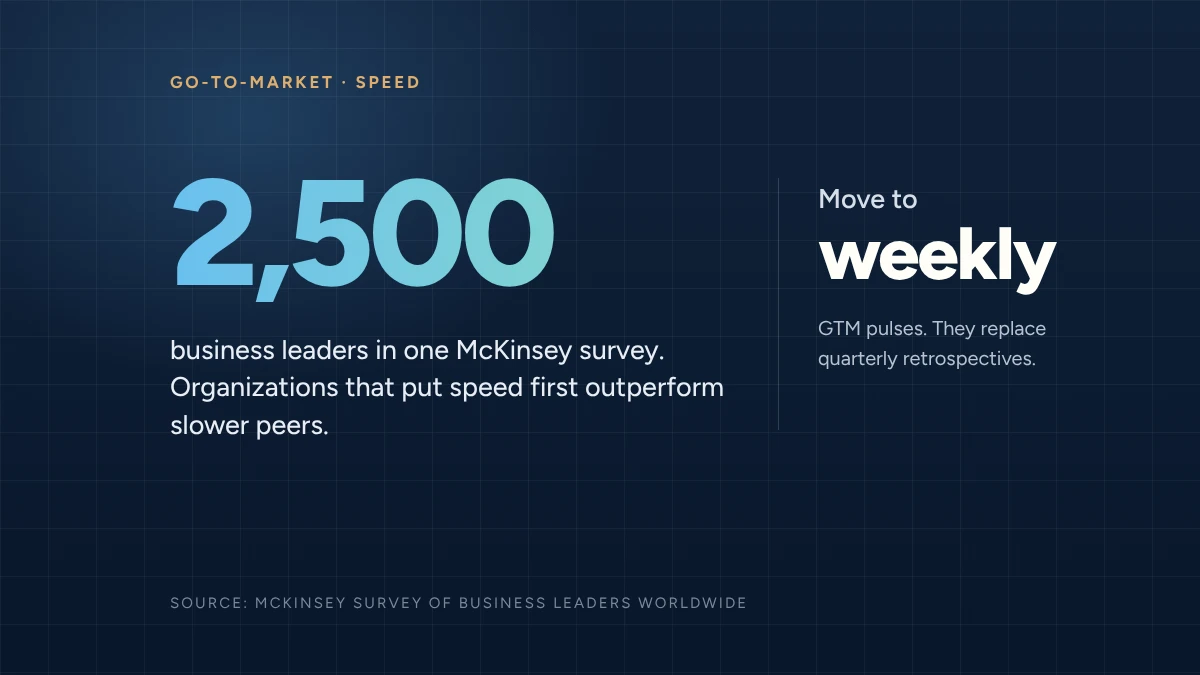
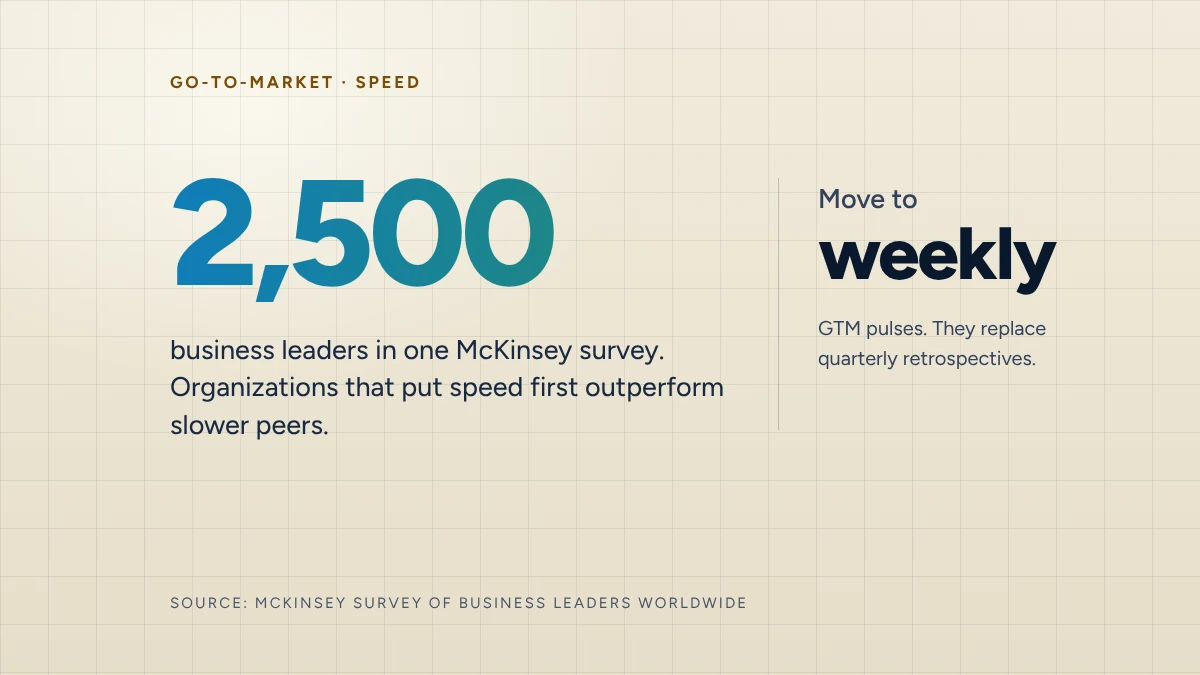
A second opportunity interests me just as much. Instead of treating the final approved plan as something to revisit during quarterly reviews, we can now use AI to examine evidence as it emerges, test alternatives, and reconsider decisions while there’s still time to influence the outcome.
Think back to those neglected leads and stalled opportunities. What if we recognized the pattern as it developed instead of finding it during a diagnostic? We could have made a different decision sooner. Of course, identifying a problem and deciding what to do about it are two different things.
If AI helps us recognize a failing assumption in real time, but we still need another quarter to decide what to do about it, what exactly have we accelerated?
For years, CEOs have worried about whether their GTM organizations could execute their strategies. AI introduces a new challenge: making sure our judgment and decision-making can keep pace with what we’re capable of planning and executing.
To me, that’s the bigger opportunity for 2027. We can use AI to help build a better plan, and then continually challenge and evolve it as the year unfolds.
Five Questions Worth Asking Before Funding 2027
Before approving the GTM plan, I’d put five questions on the table.
- Which assumptions matter most to our growth targets? Identify the few that could materially change the outcome if they prove wrong. Not every assumption deserves equal attention.
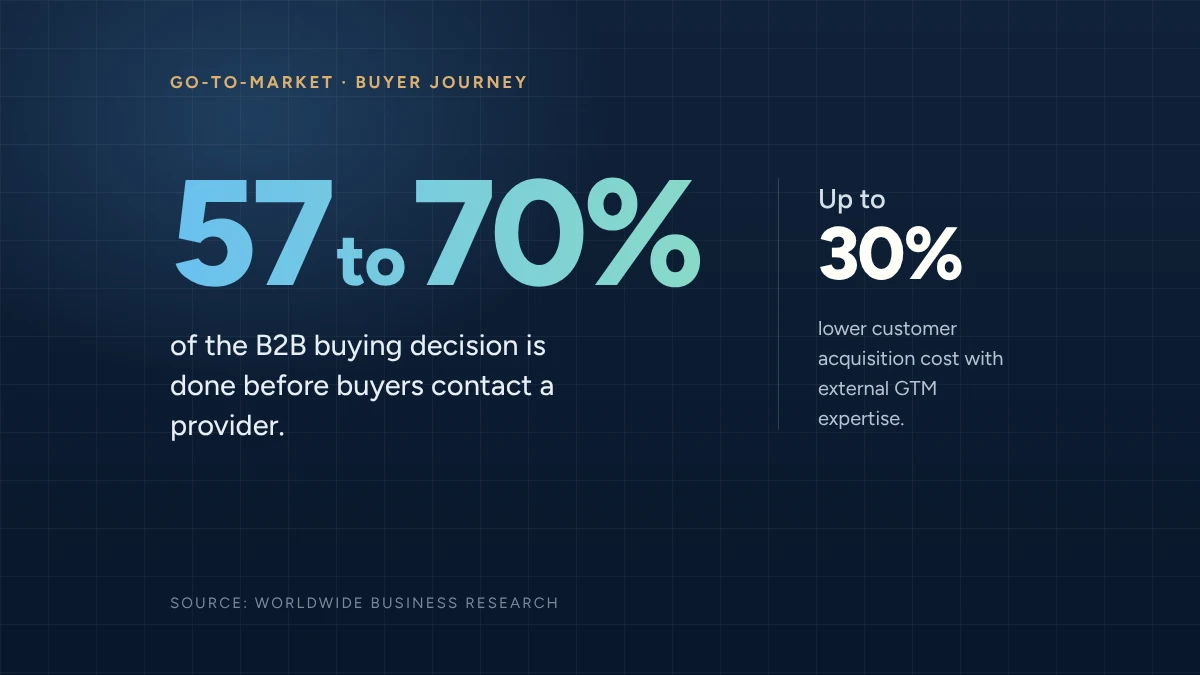
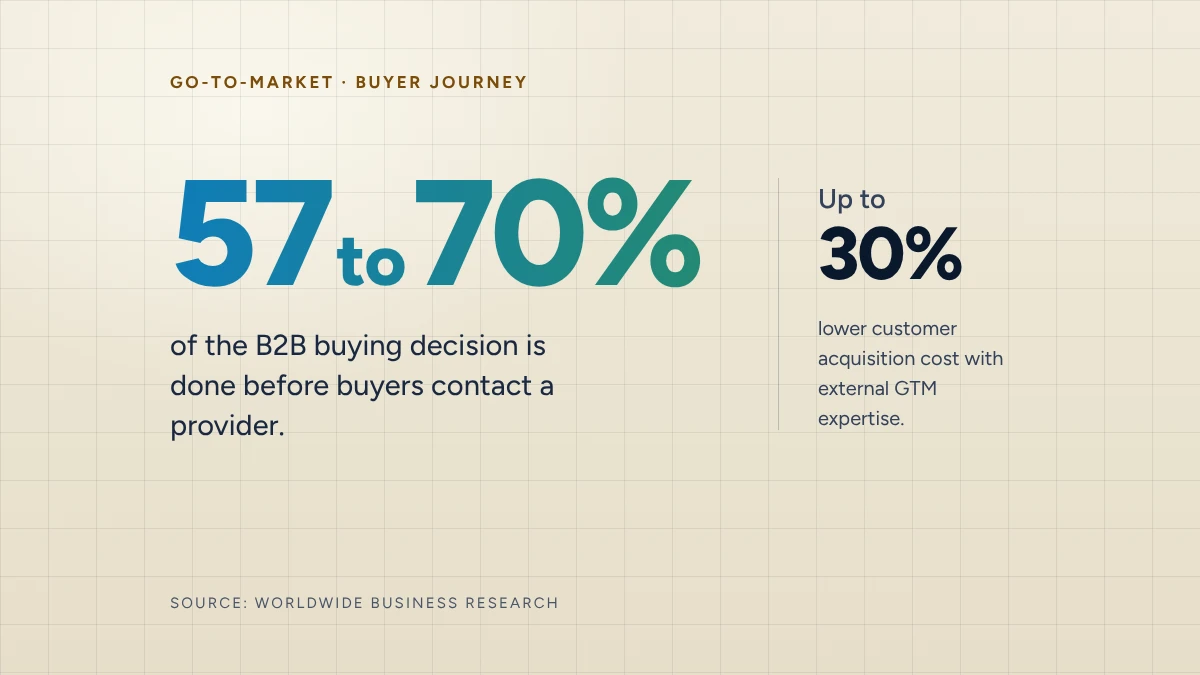
- What evidence supports those assumptions today? Look beyond the forecast. What do buyer behavior, conversion patterns, pipeline movement, and customer engagement actually tell us?
- How are we using AI to challenge the plan before committing to it? Are we exploring alternative scenarios, testing our logic, and looking for evidence we may have overlooked? Or just producing a more impressive presentation?
- How will we know when an assumption is no longer holding? What signals should we watch throughout the year? How can AI help surface them earlier?
- What decisions are we prepared to change when the evidence does? Who has the authority to respond? What investments, priorities, or processes can change, and how quickly?
Good strategic planning has always required sound assumptions, disciplined analysis, and management judgment. AI doesn’t make any of that obsolete. It gives us new ways to challenge the plan before we approve it and keep learning after we do.
Are we using AI to build a better GTM plan for 2027, or just finding faster ways to execute last year’s assumptions?
Attribution(s)
Originally posted on LinkedIn (November 5, 2026). Article and image by Charlie Latch.

Written by