The answer
A go-to-market (GTM) system breaks under pressure because Alignment Theater hides a system design flaw. Teams look aligned on easy days, but hand-offs, split incentives and disputed data fail under load. CEOs fix the design: engineer the hand-offs between Marketing, Sales and Success, pay leaders on shared outcomes, and make Ops the single source of truth for metrics.
Stop celebrating green dashboards. Fix the system design that leaks revenue.
Everything looks perfect until it isn’t. Dashboards glowing green. Teams celebrating. Then … the pipeline quietly leaks under load. That hidden drag you met in Speed Wins shows up here as illusion, alignment that looks right, but lifts wrong.
The QBR’s a love fest. Marketing’s high-fiving over lead volume. Sales is popping champagne for a blowout quarter. So why are half those leads abandoned and 40% of those “won” customers already slipping out the back door?
This is Alignment Theater: a dangerous illusion of unity that props up dashboards while quietly draining millions in future revenue. And it’s a primary symptom of a much deeper problem I call GTM Inertia, the invisible drag that holds good teams back, favoring old habits at the expense of progress.
Most leaders see this and call for more offsites and teamwork talks. They’re wrong.
This isn’t a culture issue. It’s a system design flaw. You’re getting exactly the behavior you’ve architected.
You Don’t Discover Misalignment on Easy Days
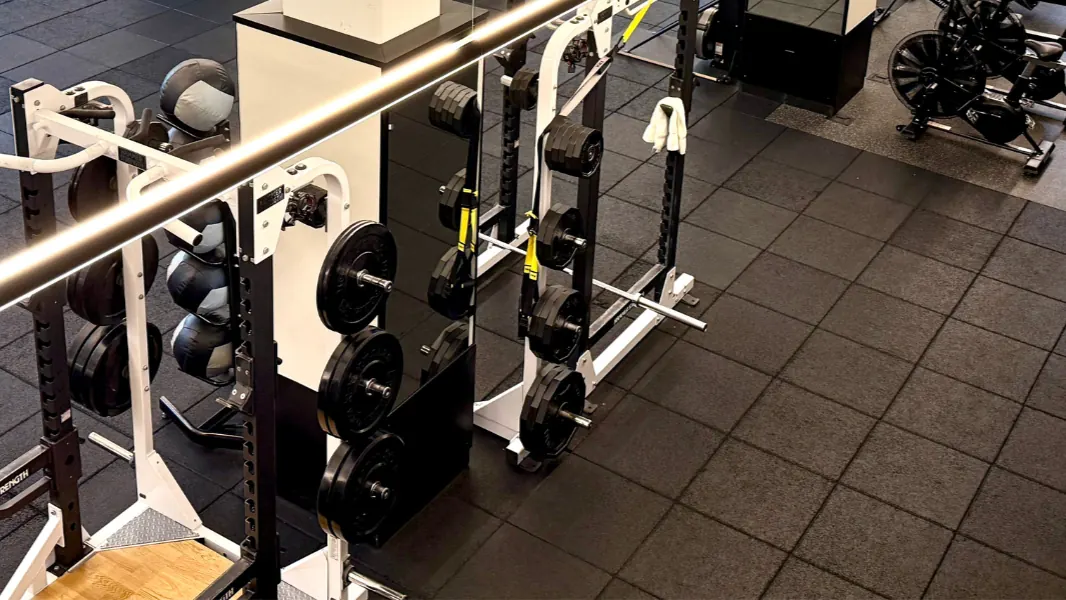
Ask any lifter: you can fake good form with light weight. But when the bar gets heavy, a new product launch, a market pivot, a board meeting on churn, everything breaks down if your system isn’t truly integrated. You fail the lift, not from weakness but from form.
The blame game between your teams isn’t a bug. It’s a feature of your current GTM design. You’re getting exactly the behavior you’ve architected.
Stop treating the symptoms and redesign the system.
The Prescription: 3 Compound Lifts to Build True Alignment.
Each of these movements reinforces stability and prevents breakdown under pressure:
- The Relay Myth: Why Hand-Offs Break Under Load. Think of your customer’s journey as an Olympic relay race. The transitions between Marketing, Sales, and Success are your make-or-break exchange zones where deals lose steam or customers get dropped. As CEO, you need to engineer these exchange zones.
- The Financial Alliance: Force Shared Outcomes. If your CMO, CRO, and Head of Success aren’t compensated on the same outcomes, they’re not on the same team. Incentives don’t lie.
- The Unbiased Referee: Appoint Ops as the Source of Truth. In most GTM organizations, whoever owns the dashboard wins the argument. This is where you deploy Ops not just as a performance coach, but as your unbiased referee, the only team empowered to define metrics and control the data. Who decides if a lead was good? Who decides why a customer churned? In an aligned organization, the answer is always Ops. They are the stewards of your single source of truth (your CDP and data warehouse). They don’t report to a silo; they protect the integrity of the entire system.
The CEO’s GTM Alignment Stress Test: 3 Questions That Find the Cracks
Think your team is aligned? Run these three tests. No slides, no prep. Just unfiltered truth.
- The Blame Test: Ask all of your GTM leaders: “If NRR drops 5 points, who’s accountable?” If you don’t get one, unified answer, your system is already broken.
- The Definition Test: Ask your CMO and CRO separately to define your Ideal Customer Profile. Are they identical?
- The Incentive Test: Ask your CRO how much of their compensation is tied to a success metric like NRR. If the answer is “none,” you’ve found a flaw.
If these answers live in three different decks, you don’t have alignment, you have choreography without rhythm.
The GTM Alignment Gut Check:
- ✅ Our data moves with the buyer from lead to renewal
- ✅ Our incentives drive cross-functional wins not finger-pointing
- ✅ Our dashboards report to truth not turf
Final Thought: Train for the Decade, Not Just the Quarter
Stop asking for teamwork. Start designing interdependence.
When the bar is light, everyone looks aligned. When it’s heavy (quarter end, market pivot, churn spike) the cracks show fast.
This idea became the backbone of Chapter 5 in my new book, Built to Move Markets: a 100-day training plan for CEOs who want GTM systems that hold form under pressure. Overcoming GTM Inertia isn’t about one heroic effort. It’s about building a system that’s Fit to Flow. If your GTM still looks good on paper but leaks under pressure, the workout starts here.
Acknowledgments
This perspective wasn’t developed in a vacuum. It stands on the shoulders of the many revenue leaders, operators, and GTM architects who are in the arena every single day. Special thanks to the cadre of CROs, CMOs, and Ops pioneers whose real-world scars and successes have shaped my point of view. These ideas weren’t born in a think tank; they were forged on the front lines of hitting (and missing) quarterly numbers. Iron sharpens iron, and your candor, challenges, and hard-won wisdom were invaluable in making this argument stronger. Thank you.
Attribution(s)
Originally posted on LinkedIn (March 26, 2025)

Written by